
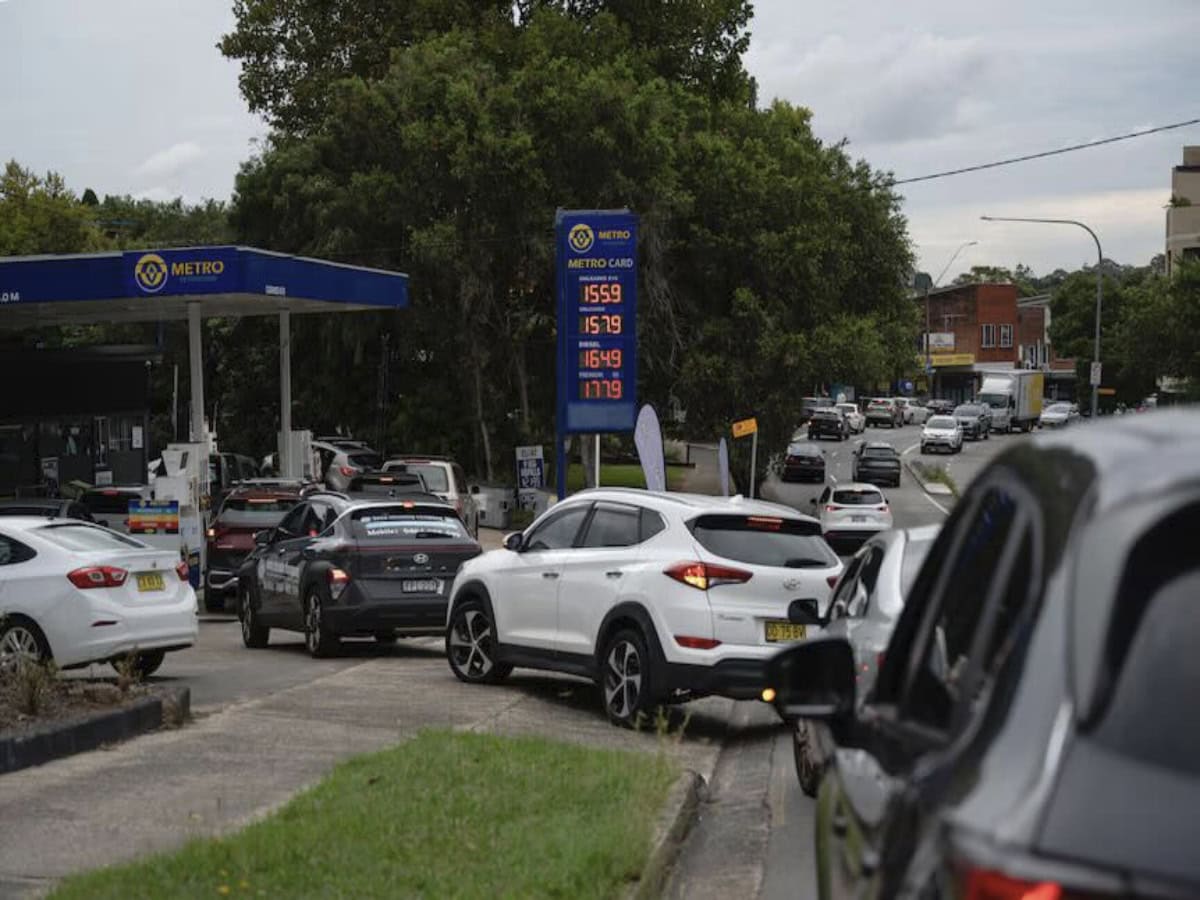
Fuel prices appear to be climbing again across Australia, with many families reporting higher petrol and diesel costs at local service stations.
Members of the Families Magazine Facebook community say they are already seeing price increases at the pump.
One community member reported diesel rising from $2.39 to $2.49 in a single day, while another said 91 petrol jumped from $2.19 to $2.29. Several others shared similar experiences, with one parent commenting, “My local is $2.45,” and another adding, “$2.50 – I just paid.”
For many households juggling school runs, work commutes, and kids’ activities, fuel remains one of the biggest ongoing expenses.
As prices rise, the conversation quickly turned into a wider debate about petrol cars, electric vehicles (EVs), and alternative transport options.
Some Families Still Prefer Petrol Cars
Many drivers say they are sticking with traditional petrol or diesel vehicles for now.
One commenter joked, “I’ll still stay with dinosaur juice for now.” Another said they would happily keep their turbo diesel, adding that even a $20 increase in a tank of fuel wasn’t enough to convince them to switch vehicles.
Others said they simply prefer what they already own. One community member joked that they would keep their muscle car even if it meant running it on homemade moonshine.
Concerns about EV battery costs were also raised. One commenter suggested drivers might face large replacement bills in the future, saying “People will be crying in 10 years when a $25,000 bill comes to replace the batteries.”
Some families also pointed out that many essential industries – including transport, farming and mining — still rely heavily on diesel fuel.
Others Say EVs Help Avoid Fuel Price Stress

Not everyone in the community sees petrol as the best option long term.
Some EV owners said they enjoy not having to watch fuel prices rise. One person commented, “Fuel prices? What fuel prices?” while another said their electric vehicle was arriving next week and they were looking forward to it.
Others pointed out that even with rising electricity costs, EVs can still be cheaper to run for some households.
However, concerns were raised about charging access, particularly for long trips or regional areas where charging infrastructure may be limited.
Public Transport and Other Options
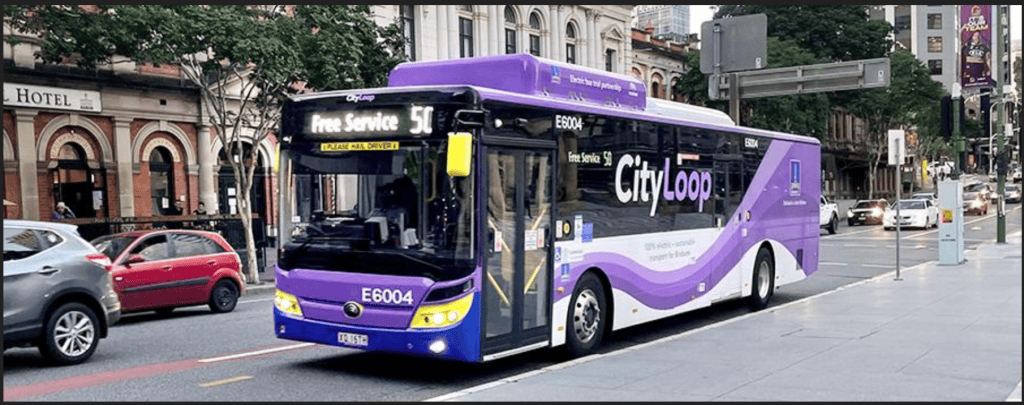
A number of community members also suggested public transport as an alternative.
One person said they had sold their car completely and now rely on trains and buses, while another joked that “50-cent train fares solve the problem.”
Some parents said they simply try to manage fuel costs by timing their refuelling carefully.
One community member shared that they filled up for $1.65 earlier in the week during the low point in the fuel price cycle, saying the tank should last about two weeks.
A Debate That Reflects Cost-of-Living Pressures
The wide range of opinions highlights how strongly families feel about transport costs as part of the broader cost-of-living challenge.
Whether drivers prefer petrol cars, EVs, public transport, or a mix of options, one thing is clear – fuel prices remain a major concern for many households.
As petrol prices fluctuate, families across Australia continue sharing updates on local fuel costs and discussing the best ways to manage rising travel expenses.
What are you paying for petrol or diesel in your suburb right now?
