
I don’t think about the Olympics when my alarm goes off.
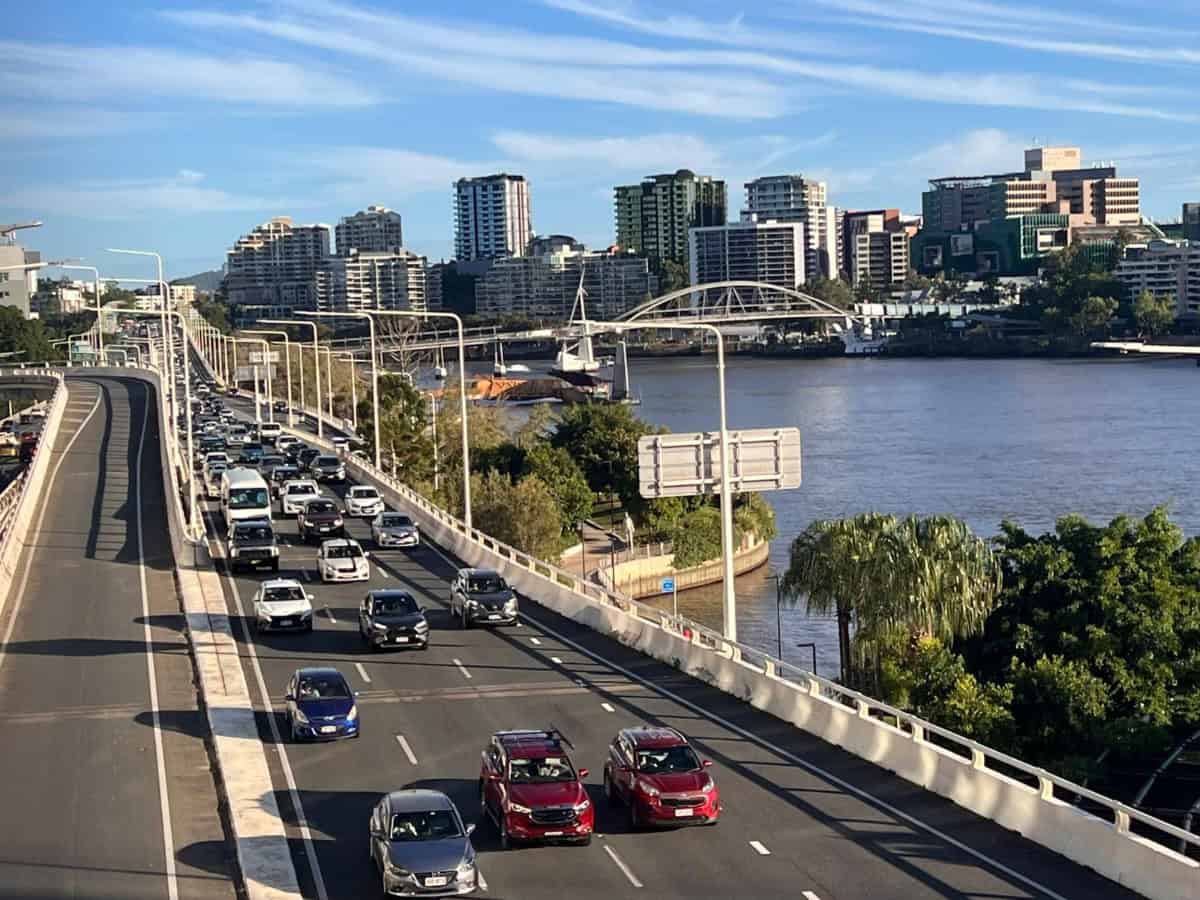
I’m thinking about whether today is library bag day or swimming day, why the car smells like old bananas, and whether we’ll make it to work on time again if Gympie Road is already backed up past the servo. Some mornings you don’t even need traffic reports. You can just feel it.
There’s been a lot of talk about Brisbane 2032 lately. Water taxis. Twenty-four-hour precincts. New sports spaces. All of it sounds impressive, and honestly, some of it would be great. I’m not anti-ideas.
But most weekdays, Brisbane doesn’t feel like a future city. It feels like a series of small negotiations just to get through the day without losing your mind.
So we asked parents a simple question:
What actually needs fixing?
The answers weren’t visionary. They were tired. Practical. A bit cranky, if I’m honest.
Transport Isn’t an “Infrastructure Issue” When You’re Late Again
It always comes back to the traffic.
Specifically Gympie Road.
One dad told me he spends most mornings crawling forward in five-metre bursts, staring at the same fuel discount sign for twenty minutes while the kids argue about whose turn it is to hold the iPad. It’s 8:10am, the sun is already blasting through the windscreen at exactly the wrong angle, and his phone pings with that little “Late” notification that makes your stomach drop before you even read it.
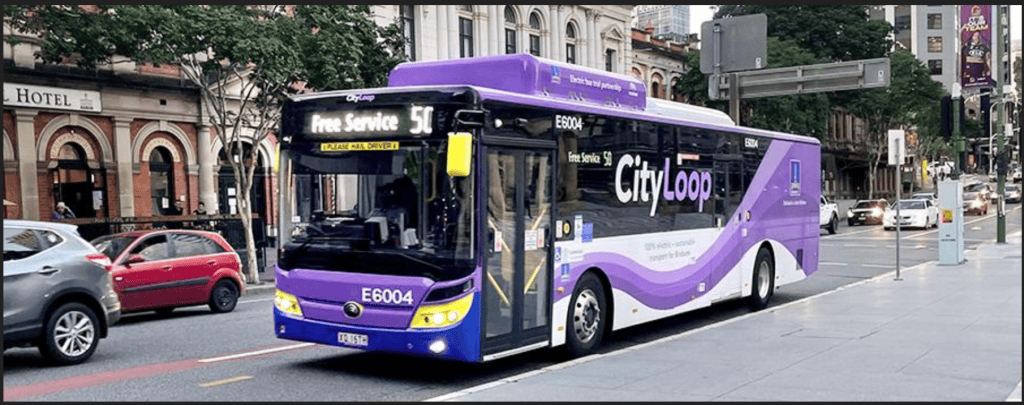
Buses get ranted about. Not politely “discussed.” Ranted. Standing at stops in sauna-level humidity, refreshing an app that insists the bus is “due” while absolutely nothing comes around the corner. Trains too. Lines that technically exist, but don’t actually connect the places families move between every single day.
Someone summed it up perfectly:
“The routes look fine until you try to live inside them.”
And that’s the thing. Transport isn’t one problem among many. It messes with everything. Miss the bus and you miss the library run. Traffic wipes out after-school sport. Long commutes mean getting home when the kids are already in pyjamas and asking what’s for dinner while you’re still mentally stuck on the road.
It’s not about convenience.
It’s about whether the day collapses or not.
A Stable Home Changes Everything – and Too Many Families Don’t Have That
Housing didn’t come up gently.
People didn’t talk about markets or policy. They talked about leases not being renewed. About moving schools because the rent jumped again. About that low-grade anxiety of not knowing if you’ll still be in the same suburb next year.
A few parents said it feels wrong – honestly wrong – to talk about Brisbane “showing off” in 2032 while more people are sleeping rough in areas that otherwise look polished and prosperous. One comment asked how the city plans to hide that when the world turns up. Another said maybe it shouldn’t be trying to.
For families, housing stability decides everything else. Where you live decides how long you commute, how much you spend on fuel, whether your kids can stay at the same school, whether you ever feel settled enough to plan more than six months ahead.
Some people talked about long-term solutions to homelessness. Others talked about interim options – somewhere safe, with actual support, not just a place to be moved along from.
Nobody was arguing about whether housing matters.
They were arguing about why it still feels so fragile.
It’s Not One Big Cost – It’s All the Little Ones Adding Up
Affordability didn’t always get its own paragraph in people’s comments, but it was everywhere.
Groceries creeping up again. Fuel prices that make every extra trip feel like a calculation. Parking fees that quietly turn “free” activities into something you just don’t bother with anymore. One mum mentioned the price of a coffee and a meat pie near her kid’s sport not as a splurge, just as another small cost that adds up faster than you expect.
Healthcare came up too. Bulk billing that used to be an option and suddenly isn’t. Appointments you delay because you’re weighing cost against urgency and hoping the problem just sorts itself out.
It’s rarely one big expense that breaks families.
It’s the accumulation.
The sense that everything costs a bit more, all at once, and there’s no off switch.
February Without Shade Is Basically a Health Hazard
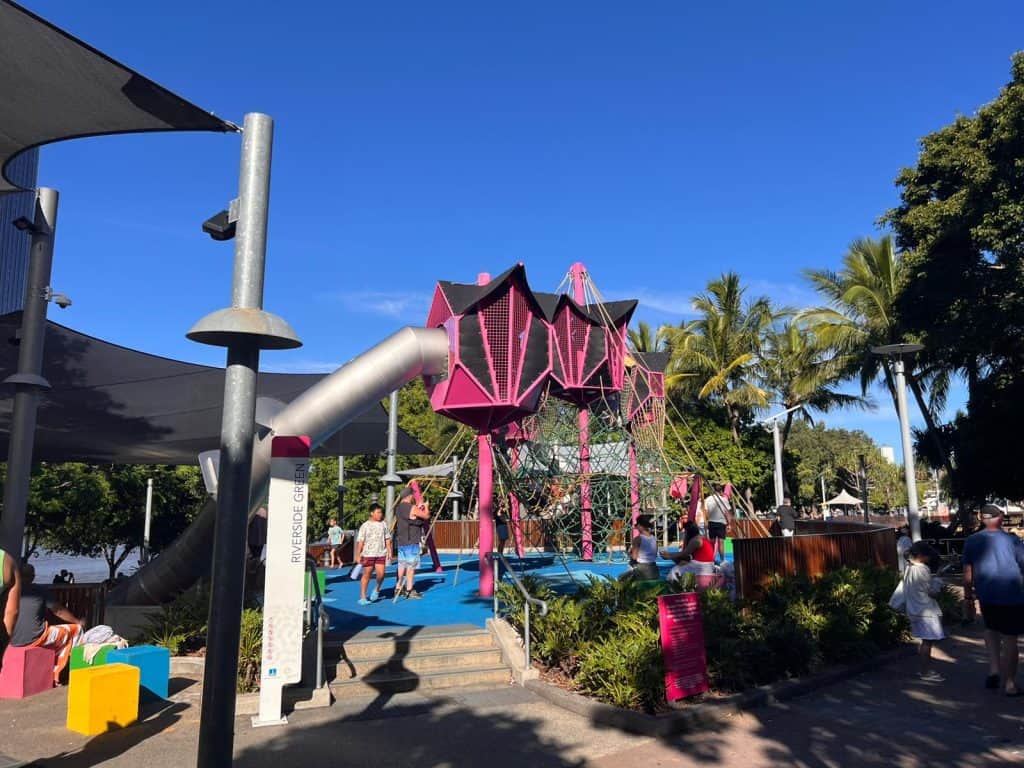
And for the love of god, can we talk about the trees? Or the lack of them?
Walking kids to school in February is basically an endurance sport in this city. By the time you hit the crossing, everyone’s drenched, the toddler is melting down because the pavement is literally radiating heat through her shoes, and you’re wondering why “urban planning” apparently doesn’t include a single eucalyptus tree on a main road.
We call it “green space,” but what people really mean is not getting heatstroke while waiting for the bus. Shade isn’t aesthetic. It decides whether walking is even an option.
Several parents said it straight out: it’s a health issue. Playgrounds turn into frying pans by midday. Kids retreat indoors. Walking stops. Then everyone wonders why traffic’s worse.
Funny how that works.
Libraries, Teen Spaces, and Other Quiet Lifelines Families Rely On
Some of the most thoughtful comments were about things that never seem to make the big plans.
Teenagers, for example. Parents talked about how few places there are for teens to exist without spending money or being moved along. After school, the options shrink fast – home, shopping centres, or nowhere. That doesn’t build independence. It just boxes them in.
Libraries, on the other hand, got a surprising amount of love. Free. Air-conditioned. Quiet. Somewhere kids can go after school without needing to buy anything. Calls for longer hours and better funding weren’t theoretical – they came from families already relying on these spaces constantly.
Accessibility came up too. Prams that don’t fit. Stations without lifts. Footpaths that look fine until you try to navigate them with a wheelchair. When accessibility works, no one notices. When it doesn’t, simple outings turn into full-scale logistics exercises.
2032 Isn’t That Far Away When You Think About It
One comment stuck with me more than most:
“If we wanted to be ready for 2032, we should’ve started asking this in 2022.”
Big changes take time. Transport networks don’t appear overnight. Housing supply doesn’t magically fix itself. Trees don’t grow on a deadline.
For families, “legacy” isn’t measured during the Games. It’s measured on some random Tuesday a few years later, when the excitement’s gone and the routines are still here.
I don’t know if Brisbane will get all of this right by 2032.
I do know that parents aren’t short on ideas.
They’re just tired of waiting.
