
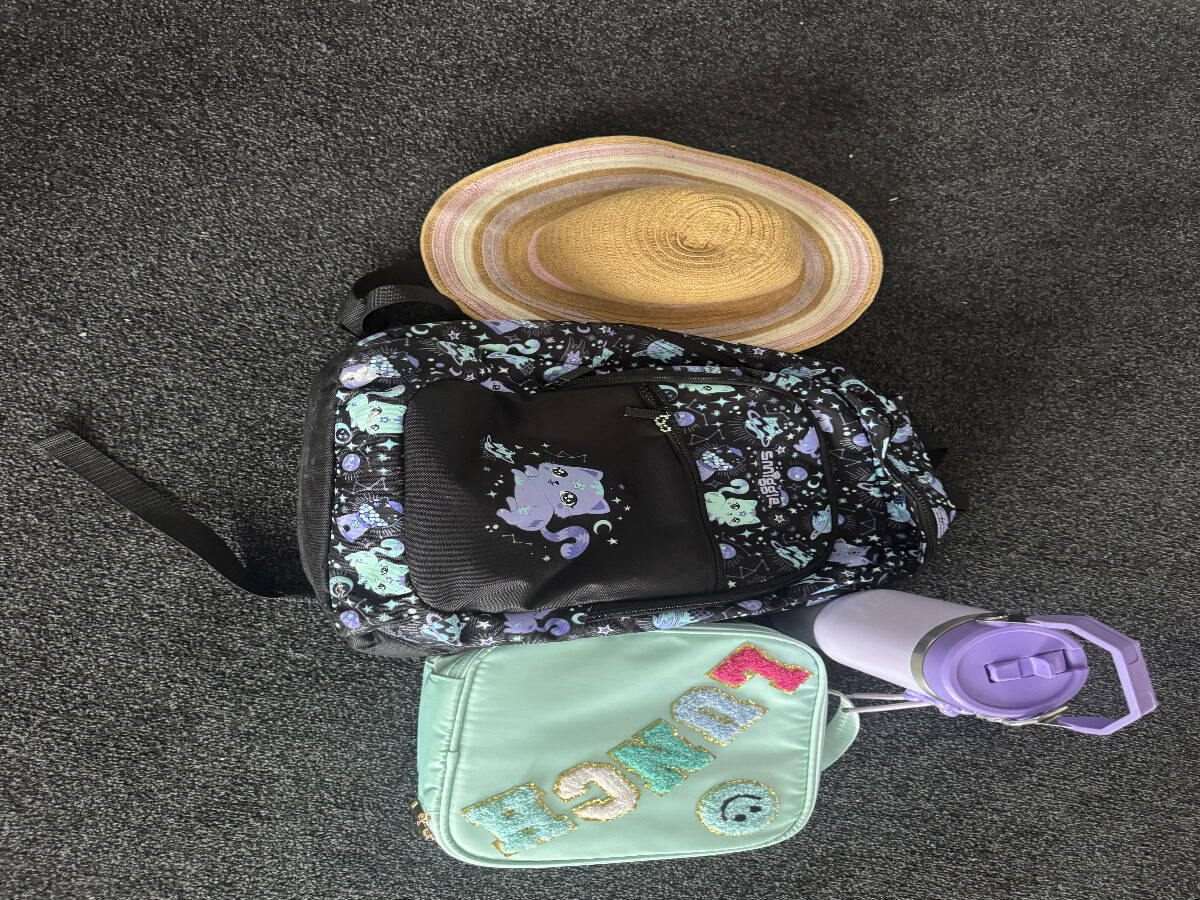
I saw the $100 Queensland Back to School Boost announcement and honestly just laughed.
Not in a mean way. More like that tired little breath you do when you’re standing in the school supply aisle again, holding the exact brand of glue sticks the teacher insisted on, wondering why they’re $6.50 for four. And knowing you’ll be back here in six weeks because they’ll be gone. Or dried out. Or “borrowed”.
A hundred dollars.
Is it a lot? No.
Is it going to change anything big? Also no.
But will I take it? Absolutely. No hesitation.
Because Term 1 doesn’t empty your bank account in one dramatic hit. It does it quietly. Repeatedly. Like a slow leak you don’t notice until you’re already annoyed.
It’s the $15 recorder I know they’ll lose.
The replacement hat because the original vanished somewhere between the car and the classroom.
The socks. Always the socks.
(Seriously, when did socks get so expensive?)
And it’s never just one thing.
School starts and suddenly everything is urgent.
“This is needed by tomorrow.”
“This note was sent last week.”
“Please bring $8.50 in a clearly labelled envelope.”
Cool. Sure. Of course.
So yes – $100 isn’t fixing that. But it does take one small hit off the pile, and at this point in the year, that actually matters.
So what is the $100 Back to School Boost, really?
Once you cut through the announcement wording, here’s the plain version.

From 2026, the Queensland Government is giving $100 per child, per year for every primary school student (Prep to Year 6) to help with school-related costs.
Not a voucher.
Not cash.
Not something you can spend at Officeworks.
It’s applied through the school.
How it works (depending on your school)
| If your child attends… | What happens to the $100 |
|---|---|
| Queensland state school | $100 credit goes straight onto the student’s school account |
| Non-state school (private, Catholic, independent) | The school manages how the $100 is applied |
| Special school | Eligible (same rules as other primary students) |
| School of Distance Education | Eligible |
| Home education | Eligible under existing Textbook and Resource Allowance arrangements |
In other words: if your kid is in Prep to Year 6 and the school is in Queensland, you’re in.
Doesn’t matter if you live just over the NSW border and commute.
Does matter if you live in Queensland but send your child interstate. (That one catches people out.)
What you can actually use it for
This is the part parents usually ask first.
The $100 can be used to reduce fees the school charges you directly, like:
- school camps
- excursions or incursions
- extracurricular activities
- stationery purchased through the school
- uniforms sold by the school
- excellence or extension programs
Basically: if the invoice comes from the school, the credit can usually be applied.
What it won’t help with:
- food
- fuel
- birthday presents
- shoes you bought yourself
- the second recorder because the first one vanished
I know. I tried to imagine it covering snacks. It does not.
No, it’s not cash (and yes, that’s annoying)
The Boost:
- ❌ is not paid into your bank account
- ❌ is not a voucher
- ❌ cannot reimburse things you already bought
You don’t get to choose to spend it elsewhere. It stays in the school system.
Honestly? In Term 1, I’m not mad about that.
One less decision.
One less “should we use this for X or Y?” moment.
It just quietly reduces a school charge and moves on.
What if you move schools or your child finishes Year 6?
This part matters more than people realise.
- The $100 is once per year
- If your child changes schools mid-year, they don’t get another $100
- If there’s money left on the account when they leave or graduate, you can request a refund
For state schools:
- the school must tell you what’s left
- you need to ask for the refund before leaving
For non-state schools:
- refunds depend on the school’s own policy
(Yes, that means you should ask early.)
Moving to Queensland part-way through the year?
It’s pro-rated.
| When your child starts | Boost amount |
|---|---|
| Term 2 | $75 |
| Term 3 | $50 |
| Term 4 | $25 |
Which feels fair. Still helpful. Still something.
What about high school kids?
Different bucket.
The $100 Back to School Boost is primary only.
Secondary students (Years 7–12) get the Textbook and Resource Allowance (TRA) instead:
| Year level | Annual TRA (2026) |
|---|---|
| Years 7–10 | $164 |
| Years 11–12 | $357 |
Separate payment. Still important. Still not enough to cover everything, obviously.
A couple of small but important details
- Any unused Boost money stays on the student’s account if they remain at the same state school
- Schools must be transparent about how the money is used
- The Boost cannot be used to pay off old debts from before 2026
So no, it won’t magically clean up last year’s unpaid excursion. (Worth checking before you get your hopes up.)
Back to reality
None of this changes the fact that Term 1 is expensive in a thousand boring ways.
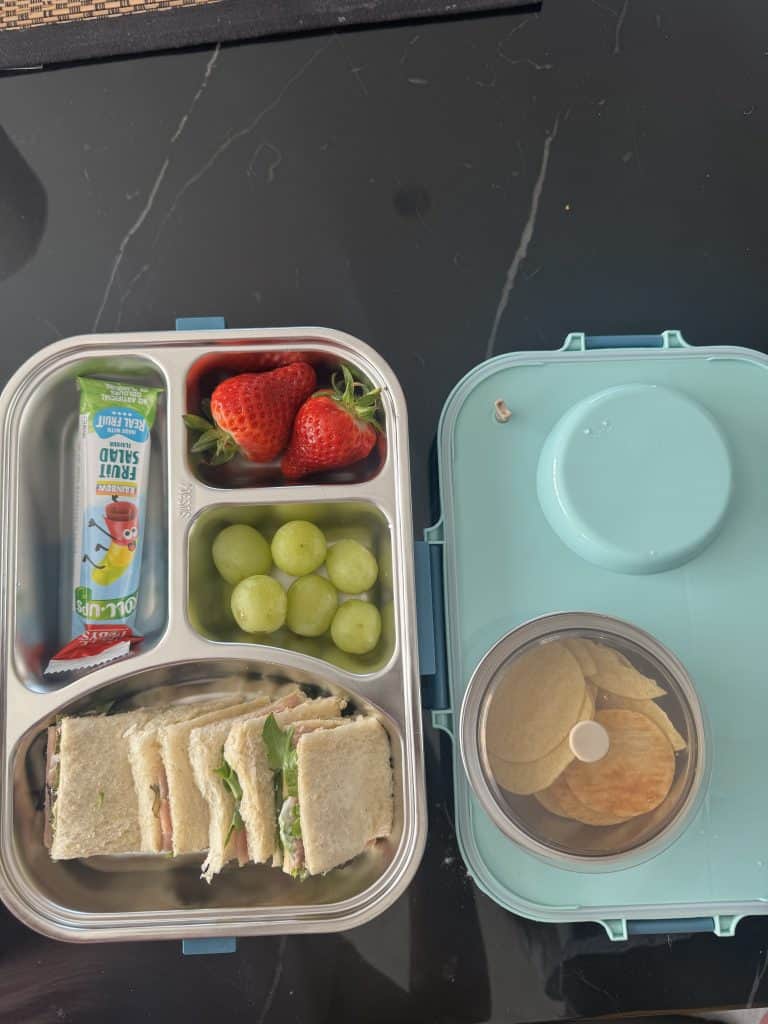
The lunchbox you swear you packed.
The stationery list that somehow grows.
The shoes that were “fine last year”.
The food spending creeping up because everyone’s exhausted.
$100 doesn’t fix that.
But if it quietly absorbs one excursion.
Or softens a uniform bill.
Or just means one less invoice landing while you’re already juggling everything else?
I’ll take it.
Because by Term 1, I’m not looking for grand solutions.
I’m just trying to survive the papercuts.
And if one of them hurts a little less this year, that’s something.
