

Across New Zealand this week, there’s been a huge debate about government jobs, budget cuts, and artificial intelligence replacing some office-based roles.
Thousands of public sector jobs are expected to disappear there over the next few years, with the New Zealand Government aiming to reduce the core public service workforce to roughly 1% of the country’s population a move that could see around 9,000 roles cut through agency mergers, tighter spending, and increased automation of back-office work.
Naturally, plenty of Australians are now wondering:
Could the same thing eventually happen here?
And more importantly for families – would it actually make life easier, or just more frustrating?
The Government Tasks Most Of Us Already Hate
Let’s be honest.
Most people don’t exactly enjoy dealing with government paperwork.
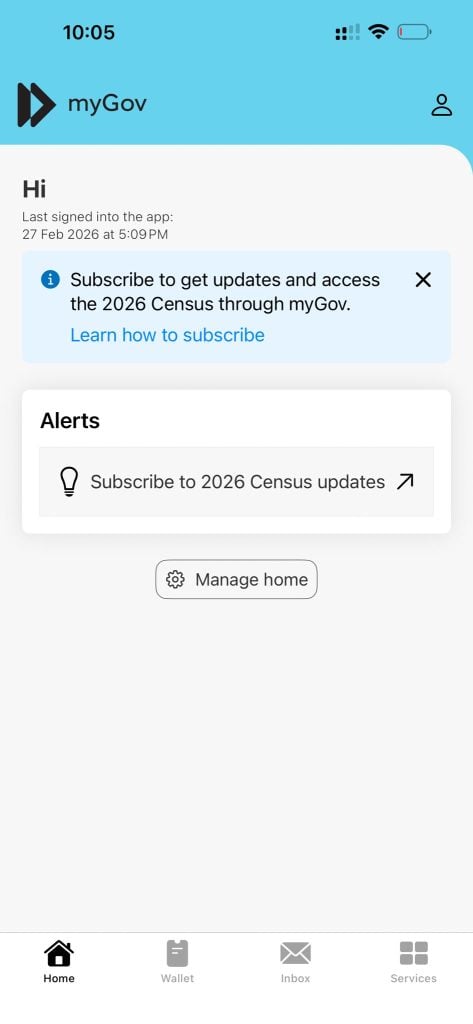
Whether it’s:
- sitting on hold with Centrelink,
- renewing passports before a holiday,
- fixing Medicare issues,
- chasing childcare subsidy updates,
- or trying to understand a confusing letter from the ATO…
it can already feel exhausting.
A lot of parents end up doing this sort of life admin late at night once the kids are finally asleep.
So when governments talk about AI helping speed things up, many families probably think:
“Honestly… if it means less waiting around, I’m listening.”
How Big Is Australia’s Public Sector?
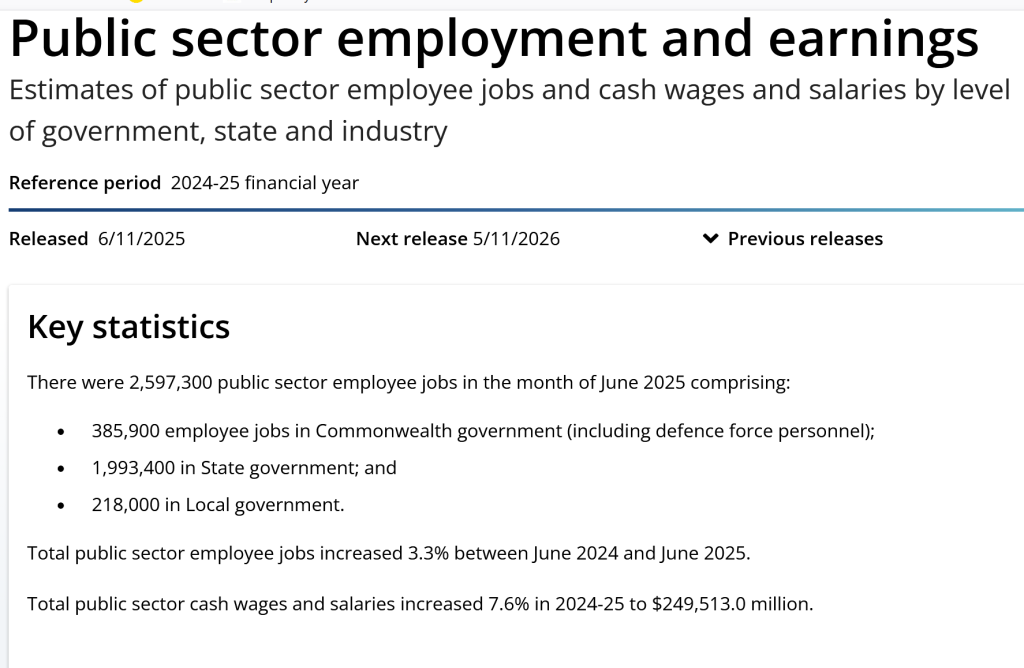
According to the latest Australian Bureau of Statistics data, Australia has around 385,900 Commonwealth public servants working in federal government departments and agencies.
These are the people behind services like:
- Medicare
- Centrelink
- passport processing
- the ATO
- border security
- veterans support
- federal health administration
But the much bigger workforce actually sits with the states.
Nearly 2 million Australians work in state government roles.
And these are the workers families deal with every single day:
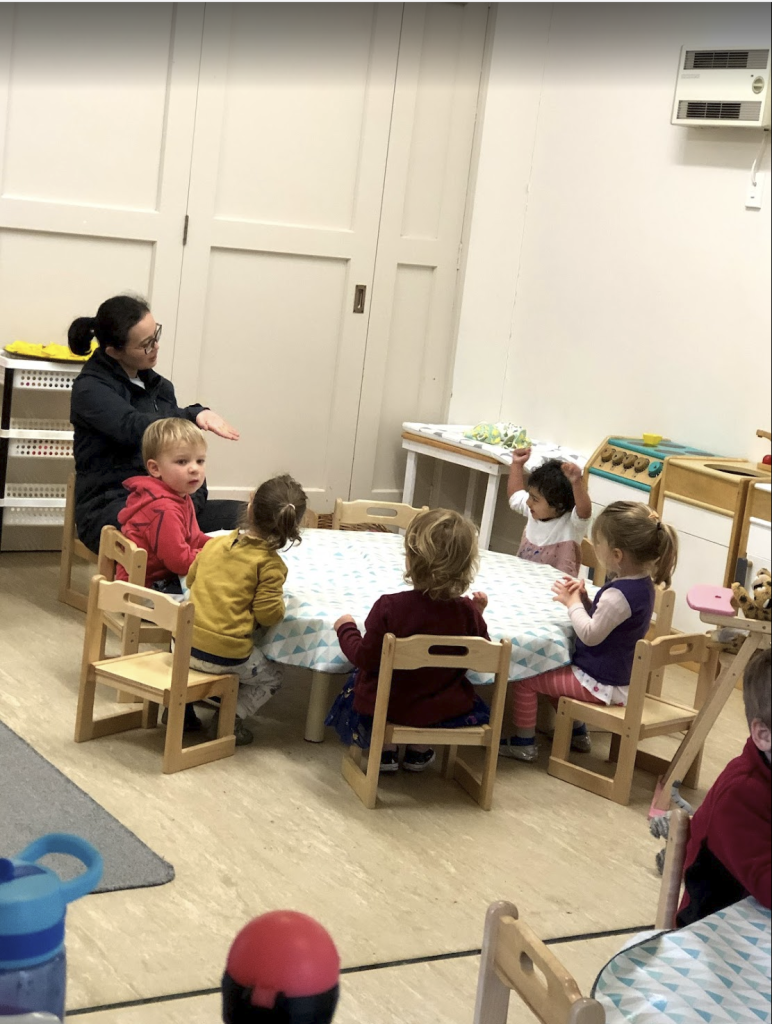
- teachers
- nurses
- ambos
- police
- hospital staff
- public transport workers
- child protection teams
That’s why this conversation becomes complicated very quickly.
Because while people might support faster systems and less bureaucracy, very few Australians want cuts to frontline services that families rely on constantly.
Where AI Could Actually Change Things
The reality is AI probably won’t replace teachers, nurses, or emergency workers anytime soon.
But it absolutely could change repetitive admin work.
Governments around the world are already testing systems that can:
- process forms automatically,
- detect fraud,
- answer basic questions,
- summarise reports,
- draft routine emails,
- and reduce manual data entry.
And honestly, some of that could be a good thing.
Imagine:
- passport renewals taking days instead of weeks,
- shorter Centrelink phone queues,
- childcare subsidy approvals moving faster,
- or Medicare claims becoming less painful.
For busy families, that sounds pretty appealing.
Nobody enjoys wasting half a day trying to speak to the right department.
But Here’s The Problem…
The moment life becomes complicated, most people still want a real human being.
A chatbot might be fine for a simple address update.
But if someone is dealing with:
- a disability support issue,
- a Centrelink overpayment,
- a hospital crisis,
- domestic violence support,
- or a mental health emergency…
they usually don’t want automated responses.
They want empathy.
They want patience.
And they want someone who can actually understand nuance instead of repeating scripted answers.
That’s where many Australians get nervous about governments pushing too far into automation.
Because plenty of people already feel frustrated trying to navigate online systems and automated phone menus.
Nobody wants to argue with a chatbot when their payment suddenly disappears or their family is under stress.
Could Australia Follow New Zealand?

Right now, there’s no indication Australia is planning cuts on the same scale being discussed in New Zealand.
But governments everywhere are under pressure to:
- reduce costs,
- improve productivity,
- modernise systems,
- and deliver services faster.
AI is now part of almost every conversation around efficiency.
And realistically, it’s probably only the beginning.
The challenge for governments will be finding the right balance.
Most Australians would probably support:
- cutting unnecessary bureaucracy,
- reducing outdated paperwork,
- and improving slow systems.
But they also want:
- strong public hospitals,
- good schools,
- safe communities,
- and access to real people when things go wrong.
That balancing act could become one of the biggest political debates of the next decade.
The Bigger Question For Families
For most households, this debate isn’t really about robots taking over.
It’s about trust.
People want to know:
- Will services actually improve?
- Will wait times finally get shorter?
- Will vulnerable Australians still get proper support?
- Or will everything simply become more automated and harder to navigate?
Because when life is running smoothly, digital systems are great.
But when families are stressed, overwhelmed, or in crisis, most people still want reassurance from another human being.
And that may ultimately decide how far Australians are willing to let AI reshape public services.
What Do You Think?
Would you support a more AI-powered government if it meant:
- faster services,
- lower admin costs,
- and less paperwork?
Or do you worry Australia could lose too much human support along the way?
Let us know your thoughts in the comments.
